
Phrasal verbs are essential in English, especially if you want to sound more like a native speaker. However, they can be tricky to learn. This guide is packed with fun ways to master phrasal verbs using images, graphics, and handy examples. Don’t miss the most common phrasal verbs in english. Let’s dive in!
What are phrasal verbs and why are they important?
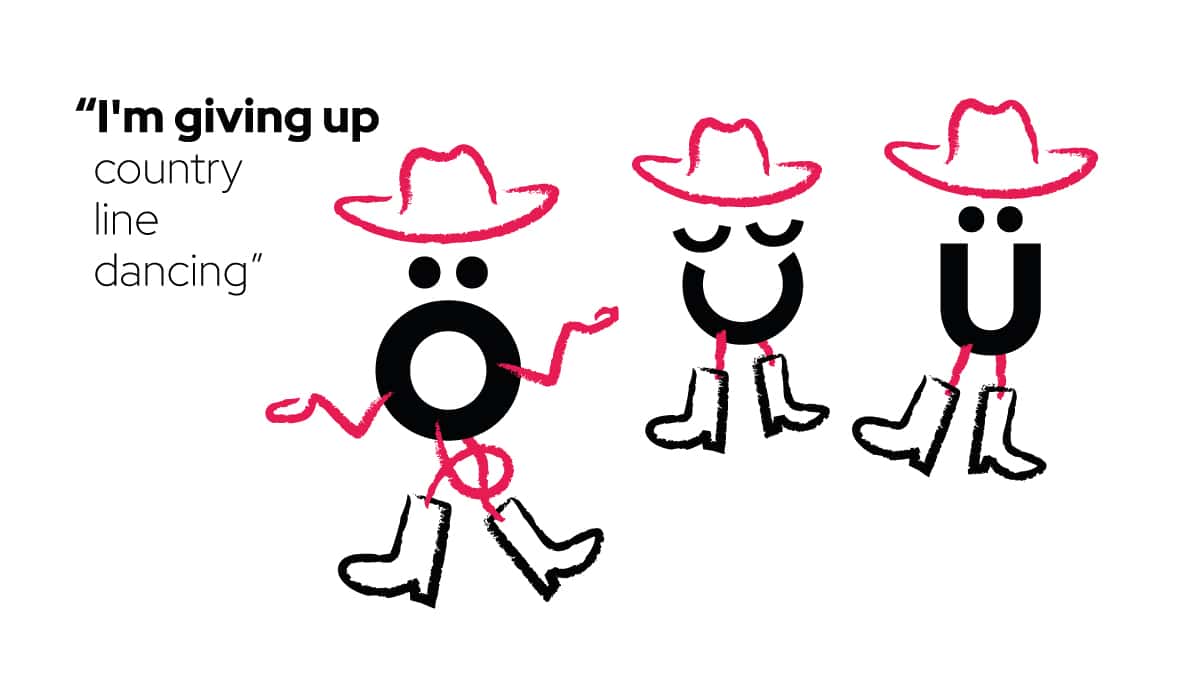
Phrasal verbs are phrases that combine a verb with a preposition or adverb, creating a new meaning. For example, “give up” doesn’t mean to physically give something—it means to stop trying.
Mastering them will not only improve your communication skills but also make your English more natural and dynamic. Plus, they’re everywhere in everyday conversations, movies, and books!
Why learn phrasal verbs with visual aids?
Memorising long lists of words can feel overwhelming, but images and graphics make learning more fun and effective. Here’s why visuals work:
- They help with memory retention.
- They make abstract concepts easier to grasp.
- They add an element of fun to your learning journey.
So, keep reading to explore interactive ways to make phrasal verbs stick!
Top tips for learning phrasal verbs
1. Group them by theme: Learn phrasal verbs related to travel, work, or emotions to make them easier to remember.
2. Use flashcards: Create flashcards with an image on one side and the meaning on the other.
3. Practice in context: Always use phrasal verbs in sentences. Writing and speaking are your best tools!
4. Engage with media: Watch British TV shows or movies and listen to how phrasal verbs are used naturally.
100 Most Common Phrasal Verbs List with Meaning
1-20: Everyday Actions
1. Break down – To stop working (for machines).
Example: “My car broke down on the way to work.”
2. Bring up – To mention or introduce a topic.
Example: “She brought up the issue during the meeting.”
3. Call off – To cancel something.
Example: “The match was called off due to rain.“
4. Carry on – To continue.
Example: “Let’s carry on with the project despite the challenges.”
5. Come across – To find something by chance.
Example: “I came across an old photo album in the attic.”
6. Get along – To have a good relationship with someone.
Example: “I get along well with my colleagues.”
7. Give up – To stop trying.
Example: “Don’t give up on your dreams.”
8. Go on – To continue.
Example: “Please go on with your explanation.”
9. Hold on – To wait.
Example: “Hold on, I’ll be with you in a moment.”
10. Look after – To take care of someone or something.
Example: “I’m looking after my neighbour’s dog this weekend.”
11. Look for – To try to find something.
Example: “I’m looking for my keys; have you seen them?”
12. Pass out – To faint.
Example: “She passed out from the heat during the parade.”
13. Pick up – To lift something or someone.
Example: “Could you pick up some milk on your way home?”
14. Put off – To delay or postpone.
Example: “We’ve put off the meeting until next week.”
15. Run out – To use up completely.
Example: “We’ve run out of sugar; can you buy some?”
16. Set up – To arrange or establish something.
Example: “I set up the printer for the office.”
17. Take off – To remove something or for a plane to leave the ground.
Example: “The plane took off at 9 PM.”
18. Turn down – To refuse or reject.
Example: “He turned down the job offer.”
19. Turn up – To arrive or appear suddenly.
Example: “She turned up late for the party.”
20. Work out – To exercise or solve a problem.
Example: “I work out at the gym three times a week.”
21-40: Work and Study
21. Back up – To support or create a copy of data.
Example: “Don’t forget to back up your files.”
22. Catch up – To reach the same level as someone else.
Example: “I need to catch up on my reading before the exam.”
23. Check in – To register at a hotel or airport.
Example: “We checked in at 3 PM.”
24. Check out – To leave a hotel or examine something.
Example: “We’ll check out early tomorrow.”
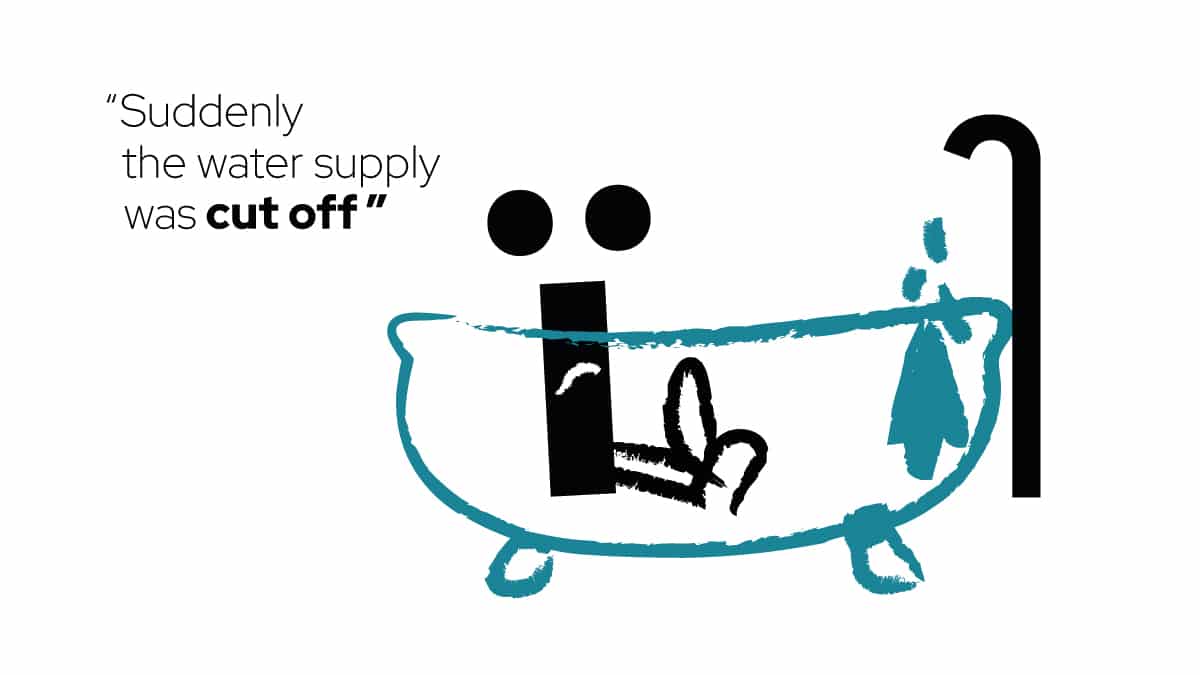
25. Cut off – To stop the supply of something.
Example: “The water supply was cut off during maintenance.”
26. Do over – To repeat something.
Example: “I’ll have to do the report over because of the errors.”
27. Drop out – To quit a course or activity.
Example: “He dropped out of university after the first year.”
28. Figure out – To solve or understand something.
Example: “I finally figured out how to fix the problem.”
29. Follow up – To continue or review.
Example: “I’ll follow up on the project next week.”
30. Hand in – To submit something.
Example: “Please hand in your assignments by Friday.”
31. Keep up – To maintain the same pace.
Example: “She walks so fast I can’t keep up.”
32. Look into – To investigate.
Example: “The police are looking into the case.”
33. Make up – To reconcile or compensate for something.
Example: “They made up after their argument.”
34. Put together – To assemble or organise.
Example: “We need to put together a presentation.”
35. Settle down – To become stable or calm.
Example: “He finally settled down in a quiet town.”
36. Take on – To accept a responsibility or challenge.
Example: “She’s taking on more projects this year.”
37. Think over – To consider carefully.
Example: “I need time to think over your proposal.”
38. Turn in – To submit or go to bed.
Example: “I’m turning in early tonight.”
39. Write down – To record something in writing.
Example: “Let me write down your phone number.”
40. Zoom in – To magnify an image or focus on details.
Example: “You can zoom in on the map to see more details.”
41-50: Relationships and emotions
41. Break up – To end a relationship.
Example: “They broke up after five years together.”
42. Calm down – To relax after being angry.
Example: “Take a deep breath and calm down.”
43. Cheer up – To make someone feel better.
Example: “Cheer up! Tomorrow is another day.”
44. Fall for – To develop romantic feelings for someone.
Example: “He fell for her the moment they met.”
5. Get over – To recover from something, like an illness or heartbreak.
Example: “It took her months to get over the breakup.”
46. Let down – To disappoint someone.
Example: “I promised I wouldn’t let you down.”
47. Look up to – To admire someone.
Example: “He looks up to his older brother.”
48. Make up with – To reconcile with someone.
Example: “They had a fight but made up the next day.”
49. Open up – To share feelings openly.
Example: “He finally opened up about his problems.”
50. Turn away – To reject or not allow entry.
Example: “The shop turned away customers without masks.”
51-60: Communication and information
51. Bring in – To introduce something new.
Example: “The company is bringing in new policies.”
52. Call back – To return a phone call.
Example: “I’ll call you back after the meeting.”
53. Catch on – To understand something or become popular.
Example: “The joke took a moment to catch on.”
54. Give away – To reveal a secret or provide something for free.
Example: “The smile gave away her true feelings.”
55. Hang up – To end a phone call.
Example: “He hung up before I could say goodbye.”
56. Keep in touch – To stay in communication with someone.
Example: “Let’s keep in touch after you move.”
57. Let out – To release something, such as information or sound.
Example: “He let out a sigh of relief.”
58. Look up – To search for information.
Example: “I need to look up the meaning of this word.”
59. Put across – To communicate an idea clearly.
Example: “He put his point across very effectively.”
60. Speak up – To talk louder or express an opinion.
Example: “You need to speak up; I can’t hear you.”
61-80: Travel and daily life
61. Check out – To examine something or leave a hotel.
Example: “Check out the new restaurant in town.”
62. Drop by – To visit someone unexpectedly.
Example: “I might drop by your house later.”
63. Get off – To leave a vehicle or avoid punishment.
Example: “I’ll get off at the next bus stop.”
64. Get on – To board a vehicle or progress in life.
Example: “Get on the train before it leaves.”
65. Get over – To recover from something.
Example: “It took him weeks to get over the flu.”
66. Go away – To leave a place or go on holiday.
Example: “They’ve gone away for the weekend.”
67. Go back – To return to a place.
Example: “When will you go back to your hometown?”
68. Hold up – To delay something or rob.
Example: “Traffic held me up this morning.”
69. Keep up with – To stay at the same level as someone or something.
Example: “I can’t keep up with this pace!”
70. Move in – To start living in a new place.
Example: “They moved in last week.”
71. Move out – To leave your current residence.
Example: “He moved out of his parents’ house.”
72. Set off – To start a journey.
Example: “We set off early to avoid traffic.”
73. Take out – To remove or extract something.
Example: “Could you take out the rubbish?”
74. Turn back – To return to the starting point.
Example: “The hikers had to turn back due to bad weather.”
75. Check in – To register at a hotel or airport.
Example: “We checked in at noon.”
76. Fill in – To complete a form or substitute for someone.
Example: “Can you fill in this application form?”
77. Settle down – To become calm or establish a routine.
Example: “It’s time to settle down and start studying.”
78. Stand up – To rise to a standing position or defend something.
Example: “He stood up for what he believed in.”
79. Take after – To resemble a family member.
Example: “She takes after her mother in appearance and personality.”
80. Turn up – To appear or arrive unexpectedly.
Example: “He turned up late for the meeting.”
81-100: Miscellaneous useful verbs
81. Blow up – To explode or become very angry.
Example: “The balloon blew up suddenly.”
82. Break in – To enter forcibly or interrupt.
Example: “Burglars broke in last night.”
83. Cut down on – To reduce the consumption of something.
Example: “I’m trying to cut down on sugar.”
84. Drop off – To deliver or leave something/someone.
Example: “Can you drop me off at the station?”
85. End up – To eventually do or become something.
Example: “He ended up studying medicine.”
86. Fall apart – To break into pieces or become emotionally unstable. Example: “Their marriage fell apart after years of arguments.”
87. Get by – To manage with difficulty.
Example: “I’m struggling, but I’ll get by somehow.”
88. Give in – To stop resisting or surrender.
Example: “She finally gave in to their demands.”
89. Go off – To explode, stop working, or start ringing (alarm).
Example: “The alarm went off at 6 AM.”
90. Hold on – To wait or hang on tightly.
Example: “Hold on, I’ll grab my coat.”
91. Let in – To allow someone to enter.
Example: “He let me in without a ticket.”
92. Look out – To be careful or vigilant.
Example: “Look out for cars when crossing the road.”
93. Make out – To see or understand something with difficulty.
Example: “I can’t make out what she’s saying.”
94. Pass away – To die (a polite expression).
Example: “His grandfather passed away last year.”
95. Put on – To wear or gain (weight).
Example: “She put on a lovely dress for the party.”
96. Run into – To meet someone by chance.
Example: “I ran into an old friend at the supermarket.”
97. Show off – To brag or display something proudly.
Example: “He loves to show off his new car.”
98. Take up – To start a new hobby or activity.
Example: “I’ve taken up yoga recently.”
99. Turn off – To stop a machine or device.
Example: “Please turn off the lights before leaving.”
100. Wake up – To stop sleeping.
Example: “I wake up at 7 AM every day.”
Learn phrasal verbs through real-life scenarios
Understanding phrasal verbs is one thing, but using them confidently requires practice. Here are some everyday scenarios to try:
• At Work: Use phrases like “follow up” or “sort out” during meetings.
• On the Go: Incorporate “set off” or “pick up” during your travel conversations.
• At Home: Talk about chores with “clean up” or “put away”.
Interactive resources to master phrasal verbs
Make learning interactive! Here are some tools and activities to speed up your progress:
• Quizzes: Test yourself with online phrasal verb quizzes.
• Apps: Use language-learning apps like Duolingo or Memrise.
• Printables: Download flashcards and posters from our website for free.
Frequently asked questions about phrasal verbs
Q: Are phrasal verbs only used in informal contexts? A: No, many phrasal verbs are used in both formal and informal settings. For example, “follow up” is common in business communication.
Q: Can phrasal verbs have multiple meanings? A: Yes, many do! For example, “take off” can mean to remove something or for an aeroplane to leave the ground.
Conclusion
Start Using Phrasal Verbs Today!
Mastering phrasal verbs takes time and practice, but it’s well worth the effort. Use this guide as your go-to resource, and remember to incorporate them into your daily conversations.
Now, it’s your turn! Which phrasal verb will you start using today? Let us know in the comments below.



Leave a Reply